How to Create an Effective Print Marketing Campaign for a Small Business
Introduction
Marketing is an important part of building a successful small business. It helps businesses introduce their products, promote their services and connect with potential customers.
While digital marketing has become an essential part of business growth, printed marketing materials still offer practical opportunities to reach people in different environments.
A well-planned print marketing campaign can help a business communicate its message through flyers, brochures, posters, business cards, banners and other promotional materials.
However, successful print marketing involves more than printing a large quantity of promotional items. Businesses need to understand their audience, choose the right products, create a clear message and distribute their materials effectively.
Without proper planning, printed materials may fail to reach the right people or communicate the intended message.
This guide explains how to create an effective print marketing campaign for a small business, from setting marketing objectives to choosing printing products, planning distribution and measuring campaign performance.
What Is a Print Marketing Campaign?
A print marketing campaign is a planned marketing activity that uses printed materials to promote a business, product, service, event or special offer.
Unlike individual printed items created without a specific objective, a campaign follows a clear strategy.
For example, a local business opening a new location may use several printed materials to introduce itself to the surrounding community.
These materials could include:
- Flyers announcing the opening
- Posters displayed in suitable locations
- Business cards for networking
- Brochures explaining the services
- Promotional banners for the premises
Each printed item supports the same marketing message.
The purpose of a print marketing campaign is to communicate with a specific audience and encourage them to take a meaningful action.
That action could be visiting a store, requesting a quote, attending an event, contacting the business or learning more about a service.
Why Print Marketing Is Useful for Small Businesses
Small businesses often need marketing methods that are practical, affordable and easy to manage.
Print marketing can support these objectives when the materials are selected and distributed carefully.
1. Reach Customers in Physical Locations
Printed materials can reach people in places where they already spend time.
For example, a local business may distribute promotional flyers in an appropriate area or display posters inside its premises.
Printed materials can also be useful at exhibitions, networking events, community activities and business meetings.
This allows businesses to communicate with potential customers outside their website or social media accounts.
2. Make Business Information Easy to Keep
A printed business card or brochure gives customers something they can keep for later reference.
This can be useful when someone is interested in a service but is not ready to make an immediate enquiry.
A business card can provide essential contact information, while a brochure can explain services in more detail.
3. Support Brand Recognition
Consistent printed materials help businesses maintain a recognisable identity.
Using the same logo, colours, typography and messaging across different print products can create a more professional presentation.
When customers encounter the same visual identity across several marketing channels, it can help them recognise the business more easily.
4. Complement Digital Marketing
Print marketing does not need to operate separately from digital marketing.
Printed materials can direct customers to a website, social media profile, online enquiry form or digital catalogue.
For example, a flyer may include a QR code that opens a relevant service page.
This creates a connection between physical marketing and online customer engagement.
Step 1: Define Your Campaign Objective
Before choosing printing products, decide what you want your campaign to achieve.
A campaign without a clear objective can become difficult to evaluate.
Your objective should explain what success looks like for the business.
Common print marketing objectives include:
- Introducing a new business
- Promoting a new product
- Increasing awareness of a service
- Advertising a special offer
- Supporting a store opening
- Generating customer enquiries
- Promoting an event
- Building relationships with local customers
For example, a restaurant may want to introduce a new menu to nearby customers.
A professional service business may want to generate enquiries from local companies.
A retail business may want to promote a seasonal offer.
Each objective requires a different approach.
If your main goal is generating enquiries, your printed material should make it easy for customers to contact you.
If your goal is brand awareness, the campaign may focus more on introducing the business and communicating its main services.
Step 2: Understand Your Target Audience
The next step is identifying who you want to reach.
A print marketing campaign becomes more effective when the message and materials are relevant to the intended audience.
Consider the following questions:
Who Are Your Potential Customers?
Think about the people or businesses most likely to need your product or service.
For example, a business offering professional printing services may target:
- Small business owners
- Retail businesses
- Restaurants and cafes
- Event organisers
- Marketing teams
- Local service providers
The audience will influence the type of printed material you create.
Where Can You Reach Them?
Think about the places where your target audience is likely to encounter your business.
A local campaign may focus on suitable community locations, business networking events or relevant commercial areas.
A business-to-business campaign may use printed materials during meetings, exhibitions or professional events.
The location should support your campaign objective rather than simply being convenient.
What Information Do They Need?
Customers usually want to understand how your product or service can help them.
Your printed material should answer their most important questions.
For example:
- What does your business offer?
- Who is the service suitable for?
- What problem does it solve?
- How can customers contact you?
- What should they do next?
Understanding these questions helps you create useful marketing content instead of filling the design with unnecessary information.
Step 3: Choose the Right Printed Marketing Materials
Different print products serve different marketing purposes.
The best choice depends on your campaign objective, audience, budget and distribution method.
Flyers for Local Promotions
Flyers are useful for communicating a short promotional message.
They can introduce a business, advertise an offer, promote an event or highlight a particular service.
A flyer should include a clear headline, a concise message and relevant contact information.
Avoid adding too much information. The main purpose is to attract attention and encourage the reader to take the next step.
Explore flyer and printing products available through iFix Prints.
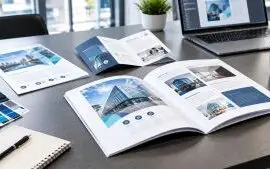
Brochures for Detailed Information
Brochures are useful when customers need more information before making a decision.
They can explain several services, introduce a company or provide information about a product range.
A brochure should have a logical structure so that readers can understand the information without difficulty.
For businesses offering multiple services, brochures can help organise information into clear sections.
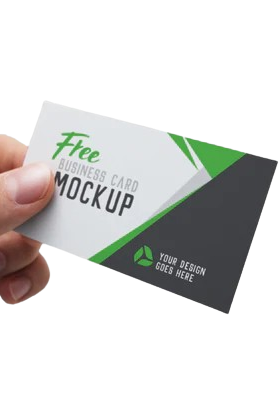
Business Cards for Networking
Business cards are practical for professional meetings, networking events and customer introductions.
They should include essential details such as:
- Business name
- Logo
- Contact information
- Website
- Relevant service or professional title
A business card should be easy to read and consistent with the company’s visual identity.
Explore business stationery options for professional business communication.
Posters for Public Visibility
Posters can help communicate a message in suitable display locations.
They are useful for promoting events, announcements, retail offers and business activities.
The design should be readable from the expected viewing distance.
Use a clear headline and avoid placing too much small text on the poster.
You can explore poster printing options for different promotional requirements.
Banners for Events and Displays
Banners can help businesses communicate their message in larger physical spaces.
They may be useful for exhibitions, promotional events, business premises and suitable display environments.
A banner should focus on the most important information.
The business name, main message and contact details should be easy to identify.
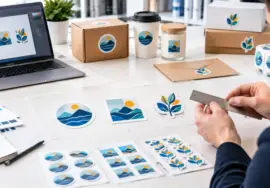
Stickers for Branding and Packaging
Stickers can support product branding, packaging and promotional activities.
Businesses may use them to add branding to packaging, provide product information or distribute small promotional items.
Custom sticker designs can also help maintain a consistent visual identity.
Explore custom sticker printing for different branding and packaging applications.
Step 4: Create a Clear Marketing Message
Your printed material should communicate one main message.
Customers may only spend a short amount of time looking at a flyer or poster, so the information needs to be easy to understand.
A useful marketing message contains three important elements.
A Strong Headline
The headline should explain what the campaign is about.
Avoid vague statements that do not tell readers anything about the business.
For example, instead of writing:
“Discover Something Amazing”
A business could use:
“Professional Printing for Your Business”
The second headline provides a clearer understanding of the service.
A Relevant Benefit
Explain why the customer should be interested.
Focus on the value your business provides rather than listing every feature.
For example, a printing business may communicate that it helps customers prepare professional promotional materials for their business activities.
The message should be accurate and relevant to the service being promoted.
A Clear Call to Action
Every campaign should guide customers towards a next step.
Examples include:
- Request a quote
- Visit our website
- Contact our team
- Explore our services
- Get in touch today
A clear call to action helps customers understand what to do after reading the material.
Step 5: Design Your Printed Materials Professionally
Good design helps customers understand your message and recognise your business.
A professional design does not necessarily need to be complicated.
In many cases, a simple layout with clear information is more effective than a crowded design.
Maintain Brand Consistency
Use consistent visual elements across your campaign.
These may include:
- Logo
- Brand colours
- Typography
- Image style
- Contact information
- Messaging
Consistency helps create a professional appearance across different print products.
Use Readable Typography
Text should be easy to read at the intended viewing distance.
Avoid using too many different fonts or excessively small text.
The headline should be prominent, while supporting information should remain readable.
Organise the Layout
A clear layout helps readers understand the information in the correct order.
Place the most important message where it is easy to notice.
Supporting information should follow naturally.
Contact details and the call to action should be easy to find.
Prepare Artwork for Printing
Designing artwork for printing requires attention to technical details.
Before sending a file for production, check the document size, bleed, safe areas, image quality and required file format.
The exact requirements depend on the product and printing specifications.
If you need assistance with the design process, explore iFix Prints graphic design services.
Step 6: Plan Your Print Marketing Budget
A campaign budget should consider more than the cost of printing.
Businesses should also account for design, distribution and any additional campaign requirements.
A simple budget may include:
| Budget Item | What to Consider |
|---|---|
| Design | Artwork creation or design support |
| Printing | Product, quantity, paper and finish |
| Distribution | Delivery, postage or local distribution |
| Display | Suitable display materials or locations |
| Tracking | QR codes, campaign links or enquiry tracking |
The budget should reflect the campaign objective.
For example, a small local campaign may require a limited quantity of flyers, while a larger promotional campaign may need several print products.
Do not order more materials than you can realistically distribute or use.
Planning quantities carefully helps reduce unnecessary printing and storage.
Step 7: Choose the Right Print Quantity
The quantity you order should depend on the campaign’s reach and distribution plan.
Before placing an order, estimate how many materials you can distribute effectively.
Consider:
- Number of locations
- Expected audience
- Campaign duration
- Event attendance
- Available storage
- Whether the materials may need updating
For a first campaign, a smaller quantity may help you understand how the audience responds.
If the campaign performs well, you can plan a larger print run for future activities.
This approach can also reduce the risk of unused materials if your offer or business information changes.
Step 8: Plan Your Distribution Strategy
Printing the materials is only one part of the campaign.
You also need a plan for getting them into the hands of the right people.
Local Distribution
For local businesses, suitable distribution methods may include:
- Relevant community events
- Business networking activities
- Appropriate local display locations
- Direct distribution where permitted
- Customer visits
- Local partnerships
Always check permission and any applicable rules before distributing or displaying printed materials.
Business-to-Business Distribution
Businesses targeting other companies may use printed materials during meetings, exhibitions and professional networking activities.
A brochure can help explain services, while a business card provides contact details for future communication.
Event Distribution
Events can provide opportunities to introduce your business to people with a relevant interest.
Prepare materials that suit the event and make it easy for visitors to learn more about your services.
For example, a business may distribute brochures or business cards during a professional exhibition.
Direct Mail
Direct mail involves sending printed marketing materials to selected recipients.
It can be useful when a business has a relevant audience and a clear message.
Before using direct mail, consider the cost of printing, postage, address accuracy and the relevance of the offer.
Step 9: Connect Print Marketing with Digital Channels
Printed materials can help customers move from physical marketing to online information.
This is especially useful when a business wants to provide more details than can comfortably fit on a flyer or brochure.
Add a QR Code
A QR code can direct customers to a relevant online destination.
For example, it may open:
- A service page
- An enquiry form
- A product catalogue
- An event registration page
- A campaign landing page
Make sure the QR code is large enough to scan and test it before printing.
The destination page should work properly on mobile devices.
Use a Campaign-Specific Website Link
A printed campaign can include a dedicated website page or a clearly identified campaign URL.
This can help businesses understand which printed materials are generating visits.
Include Social Media Information
Social media details may help customers follow the business or explore its work.
However, avoid adding too many links to one printed item.
Choose the digital channels that are most relevant to the campaign objective.
Step 10: Measure Your Campaign Results
Measuring results helps businesses understand whether their print marketing activities are useful.
The right measurement method depends on the campaign objective.
Track Customer Enquiries
If the campaign is designed to generate enquiries, record how many customers contact the business.
You can ask customers how they heard about your business or use a campaign-specific enquiry form.
Monitor QR Code Visits
If you include a QR code, monitor visits to the destination page where suitable tracking is available.
This can help identify how many people interacted with the printed material digitally.
Review Campaign Costs
Compare the campaign’s total cost with the results achieved.
For example, consider the cost of generating enquiries or attracting relevant visitors.
This can help you understand whether the campaign is worth repeating or improving.
Collect Customer Feedback
Customer feedback can provide useful information about the campaign.
Ask customers what attracted their attention and whether the printed material helped them understand your services.
Use this information to improve future campaigns.
Common Print Marketing Mistakes to Avoid
Small businesses can improve their campaigns by avoiding several common mistakes.
Printing Without a Clear Objective
If you do not know what the campaign should achieve, it becomes difficult to choose the right products or evaluate results.
Set a clear objective before starting.
Using Too Much Text
A flyer or poster should not look like a full report.
Keep the message concise and focus on the information customers need.
Choosing the Wrong Product
A product that does not suit the campaign may make the message difficult to communicate.
Choose the format based on the audience and intended use.
Ignoring Distribution
Even professionally printed materials may have limited value if they are not distributed effectively.
Plan distribution before ordering the print quantity.
Forgetting Contact Details
Always check that your website, phone number, email address and other contact details are correct.
Incorrect information can prevent interested customers from reaching your business.
Not Checking the Final Artwork
Review the final artwork before approving production.
Check spelling, layout, colours, dimensions and all important details.
A final review can help identify mistakes before the materials are printed.
How iFix Prints Can Support Your Print Marketing Campaign
Creating a print marketing campaign requires careful planning, suitable products and professionally prepared artwork.
iFix Prints provides printing and design solutions that can support different business marketing requirements.
Businesses can explore products such as:
- Business cards
- Flyers
- Brochures
- Posters
- Banners
- Stickers and packaging
- Business stationery
- Promotional materials
The right combination depends on your campaign objective and the audience you want to reach.
Whether you are introducing a new business, promoting an event or supporting an existing marketing activity, selecting the appropriate print products can help communicate your message clearly.
Explore the iFix Prints product range to find suitable printing options for your business.
Conclusion
An effective print marketing campaign begins with a clear objective and a good understanding of your audience.
Businesses should choose printed materials that suit their marketing goals, create a clear message and plan how the materials will reach potential customers.
Professional design, accurate information and suitable print specifications also play an important role in creating a successful campaign.
By combining printed materials with relevant digital channels, small businesses can create a more connected marketing experience.
The most important point is to focus on the purpose of the campaign rather than simply printing more materials.
With careful planning, print marketing can become a useful part of your business communication and promotional strategy.
Frequently Asked Questions
What is a print marketing campaign?
A print marketing campaign is a planned promotional activity that uses printed materials such as flyers, brochures, posters, business cards or banners to communicate with a target audience and encourage a specific action.
Which printed materials are best for small businesses?
The best materials depend on the campaign objective. Flyers can support local promotions, brochures can explain services, business cards are useful for networking, and posters or banners can support suitable displays and events.
Is print marketing still useful for small businesses?
Print marketing can still be useful when it reaches a relevant audience and supports a clear objective. It can complement digital marketing by providing physical information and directing customers to online resources.
How much should a small business spend on print marketing?
The budget depends on the campaign’s size, design requirements, print quantity, materials and distribution method. Businesses should set a budget based on their objectives and available resources.
How can I measure the success of a print marketing campaign?
Businesses can measure campaign results through customer enquiries, QR code visits, campaign-specific website traffic, event responses and customer feedback. The measurement method should match the campaign objective.
Can printed materials include QR codes?
Yes. QR codes can direct customers to a website, service page, enquiry form or other relevant online destination. Always test the QR code before approving the final print.
How do I prepare artwork for a print marketing campaign?
Prepare artwork according to the product’s required dimensions, bleed, safe areas, image quality, colour settings and file format. Check the final file carefully before sending it for printing.