
How to Choose a Printing Service for Your Business in the UK
Choosing a printing service for your business is about more than finding the lowest price. The right printer should be able to produce the materials you need, maintain consistent quality, provide suitable artwork support and deliver within a timeframe that works for your business.
Whether you need business cards, flyers, posters, brochures, stationery, stickers, signage or other printed materials, comparing the right factors can help you make a more informed decision.
For UK businesses, it is also useful to consider the printer’s product range, ordering process, delivery coverage and ability to support both one-off and repeat print requirements.
What Should You Look for in a Printing Company?
When choosing a printing service, consider these key areas:
- Print quality
- Product range
- Artwork and design support
- Paper, material and finishing options
- Turnaround and delivery
- Order quantities
- Customer communication
- Overall value
The most suitable printing service depends on what you are printing, who will receive it and how the finished material will be used.
1. Start With the Printing Products You Need
Before comparing printing companies, make a list of everything you need.
For example, a business may require:
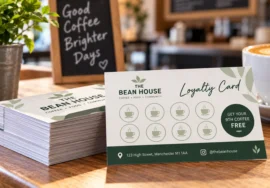
- Business cards
- Flyers
- Folded leaflets
- Brochures
- Posters
- Banners
- Signage
- Stickers
- Packaging
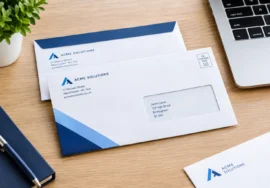
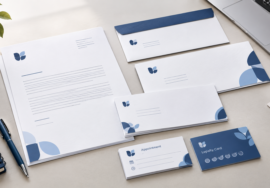
- Business stationery
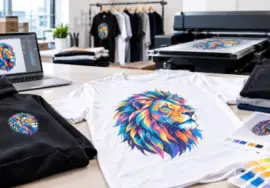
- Printed clothing
Choosing a printer that covers several of these requirements can make future projects easier to manage.
iFixPrints’ Products page covers a broad range of business and promotional printing, including business cards, flyers, booklets, banners, posters, stickers and other print products. Its stated process includes creative planning, design and preparation, printing and finishing, followed by quality control and delivery.
Why product range matters
If you regularly order different printed materials, working with a provider that can support multiple product categories may help keep your branding and print workflow more consistent.
It can also make it easier to coordinate related materials for a campaign.
For example:
Flyer + business card + poster + signage
can be planned around the same brand colours, logo, messaging and campaign objective.
2. Check the Print Quality
Print quality should be one of the first things you investigate.
Look at factors such as:
- Sharpness of text
- Image quality
- Colour reproduction
- Alignment
- Cutting
- Paper or material quality
- Finishing
- Overall consistency
The appropriate quality depends on the job.
A simple promotional leaflet may have different requirements from a premium business card or presentation brochure.
Rather than assuming that the most expensive option is automatically the right one, consider what your customer will see and how the printed item will be used.
For example, a business card needs clear contact information and strong branding, while a poster needs to remain easy to read from an appropriate viewing distance.
3. Ask About Artwork and Design Support
One of the most important questions to ask a printing company is:
Can you help if my artwork is not ready for print?
Businesses may already have a finished design, while others may need help preparing their artwork.
A printer may need to check elements such as:
- File format
- Resolution
- Colour settings
- Bleed
- Crop marks
- Layout
- Image quality
- Final dimensions
iFixPrints states that its printing workflow includes design and preparation, with artwork refined and files prepared before printing.
Its graphic design service also describes a process involving briefing, proofing and design support tailored to the client’s requirements.
If you already have artwork
Ask the printer:
- Which file formats do you accept?
- Do you check artwork before production?
- Can I make corrections after submitting the file?
- Will I receive a proof where appropriate?
- What specifications should my design follow?
These questions can help reduce avoidable production problems.
4. Compare Paper, Materials and Finishes
Different print projects require different materials and finishes.
Depending on the product, options may include:
- Matte
- Gloss
- Silk
- Textured
- Premium finishes
- Different paper weights
- Different signage materials
The correct choice depends on the purpose of the printed item.
For example, a promotional flyer may need to prioritise readability and cost, while a premium business card may place more emphasis on the tactile experience and finish.
iFixPrints’ stationery range, for example, lists matte, gloss, silk, velvet and premium textured finishes depending on the product.
When comparing printers, do not simply ask, “How much does it cost?”
Ask:
“What exactly is included in that price?”
Two apparently similar quotes may involve different specifications.
5. Check Turnaround and Delivery
Turnaround time can be particularly important when printed materials are connected to a fixed date.
You might need printing for:
- A trade show
- Exhibition
- Business launch
- Event
- Promotion
- Networking event
- Seasonal campaign
- New premises
- Product launch
Ask the printer how production and delivery are handled before placing the order.
Also check whether delivery is available to your location and whether the stated production time begins after artwork approval.
For UK businesses, national delivery can be useful when printed materials need to reach offices, events or customers in different areas.
iFixPrints states that it provides UK-wide printing services and lists its business location in Hounslow, United Kingdom.
6. Consider Order Quantities
Your ideal printer should be able to accommodate the quantity that makes sense for your project.
Ask:
- Can I order a small quantity?
- Are bulk quantities available?
- Is there a minimum order?
- Does the price change with quantity?
- Can I reorder the same product later?
The correct quantity depends on how the printed materials will be used.
Ordering too many items can create unnecessary stock, particularly when contact details, prices or promotional offers may change.
On the other hand, ordering too few can mean that you need to arrange another print run sooner than expected.
The goal is to match quantity with actual business requirements.
7. Look at the Ordering Process
A straightforward ordering process can make printing easier, particularly when you regularly produce marketing materials.
Before ordering, find out:
- How do I submit artwork?
- What information do you need?
- Can I request a quotation?
- How are artwork problems communicated?
- Is proof approval required?
- When does production begin?
- How is delivery arranged?
- How can I contact the printer if I have a question?
A clear process helps everyone understand what happens from initial enquiry to final delivery.
iFixPrints describes its process as creative planning, design and preparation, print and finishing, followed by quality control and delivery.
8. Evaluate Customer Support
Printing involves specifications that are not always obvious to someone ordering for the first time.
Good communication can therefore be valuable.
You may need help deciding between:
- Different sizes
- Paper options
- Finishes
- Quantities
- Print formats
- Artwork specifications
Before placing a large order, consider how easy it is to ask questions and get clear answers.
iFixPrints’ contact page specifically invites businesses to ask about choosing products, requesting a custom quote and getting help with existing orders.
9. Compare Overall Value Instead of Price Alone
Price matters, but it should not be the only factor.
A useful comparison includes:
| Factor | What to Check |
|---|---|
| Price | What is included in the quoted price? |
| Quality | Are the print and finishing standards suitable? |
| Product range | Can the printer supply your other requirements? |
| Artwork | Is print preparation or design support available? |
| Materials | Are suitable paper and material options available? |
| Quantity | Can you order the amount you actually need? |
| Turnaround | Does production fit your schedule? |
| Delivery | Can the finished materials reach your location? |
| Support | Can you get help when questions arise? |
This gives you a more complete picture than comparing two headline prices.
10. Think About Your Long-Term Printing Needs
If your business only needs one small print job, your priorities may be different from a business that orders printed materials throughout the year.
For regular printing, consider whether the provider can support your broader requirements.
For example, a business might gradually need:
Business cards → Flyers → Leaflets → Posters → Signage → Stickers → Packaging
Having a consistent printing workflow can make future campaigns easier to plan.
It can also help you maintain a consistent visual identity across different printed materials.
How to Compare Printing Services: A Simple Checklist
Before choosing a printer, ask yourself:
Quality
- Does the print quality match my requirements?
- Are the paper, material and finish appropriate?
Products
- Does the printer offer the products I need?
- Can they support future print requirements?
Artwork
- Is my artwork print-ready?
- Is design or artwork assistance available?
Production
- Is the turnaround suitable?
- Are the required quantities available?
Delivery
- Do they deliver to my location?
- Does the delivery schedule work for my project?
Support
- Can I easily contact the printer?
- Can they answer questions about specifications?
Value
- Am I comparing like-for-like specifications?
- Does the price reflect the quality and service provided?
Frequently Asked Questions
What should I look for in a printing company?
Look at print quality, product range, materials, finishing, artwork support, turnaround, delivery, order quantities and customer service. The right choice depends on your specific printing requirements rather than simply selecting the lowest quoted price.
How do I choose a business printer?
Start by identifying the products you need, then compare printers based on quality, specifications, artwork support, production process, delivery and overall value. If you expect to order different products over time, consider the printer’s wider product range as well.
Is the cheapest printing service always the best option?
Not necessarily. A lower price may involve different materials, specifications, quantities or finishing. Compare like-for-like quotes and consider quality, support, turnaround and delivery before making a decision.
What should I ask a printer before placing an order?
Ask about accepted artwork formats, artwork checks, proofing, paper or material options, finishes, minimum quantities, production time, delivery and what happens if there is an issue with the submitted artwork.
Should I choose a local printing company?
A local printer can be useful if you value local communication or need to discuss a project directly, but businesses can also consider UK-wide providers depending on their requirements. The important factors are quality, service, suitability and delivery.
Can a printing company help with design?
Some printing companies provide design or artwork support. Check what is included before ordering. iFixPrints offers graphic design services alongside its printing products, including business-focused design and print preparation.
How can I avoid printing mistakes?
Use the printer’s artwork specifications, check dimensions and important information carefully, and ask about artwork checking or proofing before production. Confirm that the final file matches the product and specifications you are ordering.
Conclusion
Choosing a printing service for your business should involve more than comparing prices.
Start by identifying what you need to print, then assess quality, product range, artwork support, materials, finishes, turnaround, delivery, quantities and customer service.
The right printing service is the one that fits your actual requirements and gives you a clear, reliable process from artwork to finished product.
For businesses looking for multiple print categories, iFixPrints provides products including business cards, flyers, booklets, posters, banners, stickers and other printed materials, alongside design and preparation support.
For businesses that need help choosing a product or requesting a quote, the iFixPrints contact page provides a direct route to discuss printing requirements.