Custom T Shirt Printing UK: Business & Event Guide
Custom T-shirts can be used by businesses, event organisers, sports teams, promotional campaigns and groups that want consistent branded clothing. With custom t shirt printing UK services, you can put logos, artwork, names, numbers or other designs onto garments to create clothing that matches a particular brand or event.
The right approach depends on what you need the T-shirts for, how many garments you require, the artwork you want to print and the type of clothing and printing method selected.
What Is Custom T Shirt Printing?
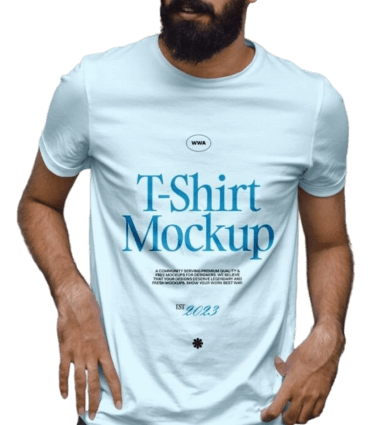
Custom T-shirt printing is the process of applying a personalised design to a T-shirt. The design might include a business logo, event artwork, team name, individual names, numbers or a promotional graphic.
For businesses, printed T-shirts can form part of branded clothing or promotional wear. For events and teams, they can provide a consistent appearance across a group.
iFix Prints provides clothing printing for apparel, events and branding, with its clothing services including DTF and HTV printing options. Its DTF service also lists custom clothing, promotional wear and both small and bulk orders among its applications.
Who Uses Custom Printed T-Shirts?
Custom printed T-shirts can be useful in several situations.
Businesses
A company can use branded T-shirts as part of staff clothing, promotional campaigns or branded merchandise. Keeping the logo, colours and design placement consistent can help maintain a recognisable appearance.
Events
Events may use printed T-shirts for organisers, participants, promotional teams or merchandise. A shared design can make different members of an event team easier to identify.
Sports and Teams
Teams can use personalised clothing with names, numbers, logos or other simple graphics. iFix Prints’ HTV service specifically lists sportswear, names and numbers, team uniforms and personalised apparel among its applications.
Promotional Clothing
Printed T-shirts can also be used for promotional campaigns, product launches, community activities and other marketing purposes.
The design and garment should be selected according to the purpose rather than simply choosing the same specification for every project.
What Should You Decide Before Ordering?
Before requesting custom T-shirt printing, prepare the main details of the order.
1. Decide What the T-Shirts Are For
Start with the intended use.
Ask yourself:
- Are the T-shirts for staff?
- Are they for an event?
- Do you need clothing for a sports or activity team?
- Are they promotional merchandise?
- Do you need personalised names or numbers?
- Is the clothing part of your wider brand identity?
The answer can influence the garment, artwork, print placement and printing method.
2. Decide How Many You Need
Quantity is another important part of the order.
Prepare an approximate quantity before contacting the printer. If different people require different sizes, create a simple size list so that the order is easier to check.
iFix Prints’ DTF service states that both single and bulk orders are accepted, so the service can be relevant to smaller requirements as well as larger clothing projects.
3. Choose the Design and Placement
Think about where the design should appear.
Common placements can include:
- Front
- Back
- Pocket area
- Sleeve
iFix Prints’ DTF service specifically lists front, back, pocket and sleeve placement options.
For business clothing, consider whether every garment should use the same placement and approximate print size. Consistency can help create a more unified appearance across a team.
What Artwork Do You Need?
Good artwork preparation is an important part of custom T-shirt printing.
Before submitting a design, check:
- The logo or artwork is clear at the intended print size.
- Text is readable.
- Colours are appropriate for the chosen garment.
- The design has the correct proportions.
- The artwork matches the selected print area.
- Any names or numbers have been checked carefully.
If your artwork contains gradients, shading or multiple colours, mention this when discussing the project. iFix Prints describes its DTF service as supporting detailed and multi-colour artwork, including gradients and shading.
If you do not have final artwork, iFix Prints also lists design support for its clothing printing services.
Choosing a T-Shirt Printing Method
The printing method should match the artwork and clothing requirements.
DTF Printing
DTF, or Direct-to-Film printing, is a digital garment-printing method where artwork is printed onto transfer film before being transferred to clothing using heat.
iFix Prints describes DTF as suitable for full-colour, detailed and multi-colour designs. Its service is listed for cotton and polyester fabrics, custom clothing, promotional wear and small or bulk orders.
DTF may therefore be worth considering when your artwork contains several colours, gradients, shading or detailed graphics.
HTV Printing
HTV, or Heat Transfer Vinyl, uses heat-applied vinyl to create a design on clothing.
iFix Prints describes HTV as particularly suitable for simple graphics, names, numbers, logos and basic shapes. It also lists sportswear, team uniforms, logo branding and personalised apparel among its applications.
For simple, bold designs, HTV may be a relevant option to discuss when ordering.
Which Method Should You Choose?
There is no single printing method for every T-shirt project.
Consider:
- Artwork complexity
- Number of colours
- Garment type
- Print placement
- Quantity
- Desired appearance
For detailed, colourful artwork, DTF is presented by iFix Prints as an option. For simpler logos, names, numbers and bold graphics, HTV is another available option.
Custom T-Shirts for Business Branding
Branded T-shirts can form part of a wider business identity.
For example, a company might use a consistent logo placement across staff clothing while maintaining the same brand colours used on business cards, flyers, packaging and other marketing materials.
For teams, consistency can also be useful. The same garment style combined with different names or numbers can create a coordinated appearance without requiring every T-shirt to have identical personalisation.
The design should remain practical for the people who will wear the clothing and the environment where it will be used.
A Simple Custom T-Shirt Ordering Process
A straightforward ordering process can be broken into these steps:
- Define the purpose — Decide whether the clothing is for business branding, an event, a team or promotion.
- Confirm quantity and sizes — Prepare the total quantity and a size breakdown.
- Prepare artwork — Gather your logo, design or personalised artwork.
- Choose placement — Decide whether the design goes on the front, back, sleeve or pocket area.
- Discuss the printing method — Match DTF, HTV or another available method to the artwork and garment.
- Review the digital proof or mockup — Check the design, size and placement before production.
- Confirm the order — Once the details are correct, proceed with production.
iFix Prints’ DTF ordering process specifically includes sharing artwork or requesting design support, choosing print placement and size, approving a digital mockup, and then beginning printing and transfer.
Custom T-Shirt Printing Checklist
Before placing your order, check the following:
- Purpose of the T-shirts confirmed
- Quantity confirmed
- Sizes listed
- Garment colour selected
- Artwork prepared
- Logo and text checked
- Print placement selected
- Print size confirmed
- Printing method discussed
- Digital proof or mockup reviewed
- Names and numbers checked where applicable
- Final order details confirmed
This simple checklist can help reduce mistakes before production begins.
Frequently Asked Questions
How do I order custom printed T-shirts?
Start by deciding the garment, quantity, sizes, artwork and print placement. Submit your design or request design support, discuss the suitable printing method, review the artwork proof or mockup and confirm the final order. iFix Prints’ DTF process follows these general stages, including artwork submission, placement selection and digital mockup approval.
What artwork do I need for custom T-shirt printing?
Provide clear artwork suitable for the intended print size. Check that logos, text, colours and proportions are correct before production. If your design contains gradients, shading or multiple colours, tell the printer because these details can influence the appropriate printing method. iFix Prints offers design support if assistance is required.
Can I order a small quantity of custom T-shirts?
Yes. iFix Prints states that its DTF service accepts single pieces as well as bulk orders. The appropriate quantity and garment requirements should be confirmed when requesting the order.
What is DTF printing for T-shirts?
DTF stands for Direct-to-Film printing. Artwork is digitally printed onto a transfer film and then transferred onto the garment using heat. iFix Prints presents DTF as a full-colour option for detailed and multi-colour artwork and lists it for custom clothing and promotional wear.
Is HTV suitable for team T-shirts?
HTV can be suitable for team clothing, particularly when designs contain names, numbers, logos or simple graphics. iFix Prints specifically lists sportswear, names and numbers, team uniforms and personalised apparel among its HTV applications.
Can custom T-shirts have printing on the front and back?
Yes. iFix Prints’ DTF service lists front and back printing as well as pocket and sleeve placements. Confirm the required placement, size and artwork when ordering.
Should businesses use the same T-shirt design for every employee?
A consistent design can help create a unified branded appearance, but the exact approach depends on the business. Companies can keep the logo and placement consistent while varying garment sizes or adding individual names where appropriate.