Business Stationery Checklist: What Should a Small Business Print?
Starting or running a small business means making decisions about everything from branding and marketing to everyday customer communication. Business stationery printing UK services can help turn your visual identity into practical printed materials that your business can use consistently.
But does every small business need every type of stationery?
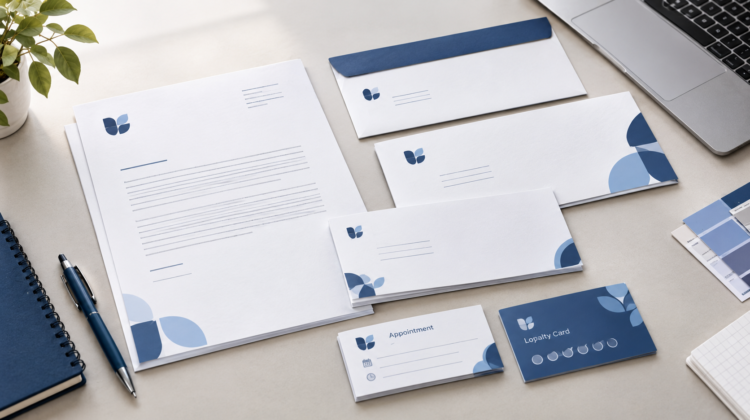
Not necessarily. The right stationery depends on how your business communicates, serves customers and handles documents. For many businesses, a useful starting point is a consistent set of letterheads, compliment slips and envelopes, with additional items such as appointment cards or loyalty cards added when they have a clear purpose.
The key is to create stationery that is both professional and practical.
What Stationery Does a Small Business Need?
A small business should choose stationery based on how it communicates with customers, suppliers and other organisations.
A basic business stationery checklist can include:
- Letterheads
- Compliment slips
- Envelopes
- Appointment cards
- Loyalty cards
- Business cards
- Other printed materials relevant to the business
Not every business needs all of these. A professional services company may rely heavily on letterheads and envelopes, while a salon, clinic or appointment-based business may have a greater use for appointment cards. A retail or hospitality business may find loyalty cards more useful.
The best approach is to identify the printed materials your business actually uses before ordering.
1. Letterheads
Letterheads are one of the core pieces of business stationery.
They provide a consistent branded format for formal correspondence and documents. Depending on the business, letterheads may be used for letters, proposals, quotations, statements or other customer communications.
A letterhead commonly includes elements such as:
- Business logo
- Company or trading name
- Contact details
- Website address
- Other relevant business information
- Brand colours and typography
The design should leave enough usable space for the actual document content. A letterhead that looks attractive but makes everyday documents difficult to create is not doing its job effectively.
For small businesses, a well-planned letterhead can therefore be both a branding asset and a practical communication tool.
2. Compliment Slips
Compliment slips are smaller pieces of business stationery designed for shorter messages and informal notes.
They can be useful when a full letterhead would be unnecessary. For example, a business may include a short handwritten message with an order, sample, document or customer package.
A compliment slip can include:
- Business logo
- Company name
- Website
- Contact details
- Brand colours
- A simple, uncluttered layout
The design should remain consistent with the rest of the stationery rather than looking like a completely separate product.
Current UK printing services commonly position compliment slips alongside letterheads as part of a cohesive business stationery range.
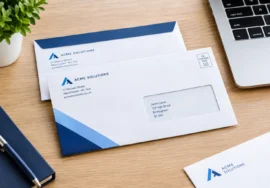
3. Envelopes
Envelopes are often overlooked when businesses think about branding.
However, the envelope is frequently the first physical part of a mailed communication that a recipient sees. Matching envelopes with your other stationery can therefore help create a more consistent presentation.
Depending on how your business communicates, branded envelopes may be useful for:
- Client correspondence
- Invoices and documents
- Formal letters
- Marketing communications
- Welcome packs
- Customer paperwork
The branding does not need to dominate the envelope. A clear, professional design can be enough to connect it visually with the rest of your stationery.
4. Appointment Cards
Appointment cards are more specialised than letterheads, compliment slips and envelopes.
They can be particularly useful for businesses where customers regularly book appointments, consultations, treatments or meetings.
An appointment card should make the important information easy to understand. Depending on the business, this could include:
- Customer name
- Appointment date
- Appointment time
- Business name
- Contact details
- Location
- Booking or reminder information
The exact information should reflect how the business manages appointments.
Appointment cards are therefore best considered a purpose-specific stationery item, rather than something every small business automatically needs. UK printing services commonly offer appointment cards within their business stationery ranges.
5. Loyalty Cards
Loyalty cards sit between stationery and customer marketing.
They can be useful for businesses that encourage repeat purchases or visits. A loyalty card can provide a simple physical way for customers to keep track of a rewards programme.
A loyalty card may include:
- Business branding
- Customer reward information
- Spaces for stamps or marks
- Terms or conditions where needed
- Contact or website information
Whether loyalty cards make sense depends entirely on the business model. A service provider with recurring appointments may use them differently from a café, retailer or local shop.
Why Should Business Stationery Be Consistent?
Consistency means that different printed materials look like they belong to the same business.
This usually involves maintaining a recognisable combination of:
- Logo
- Brand colours
- Typography
- Visual style
- Business information
- Layout principles
A consistent stationery system can make everyday communications feel more organised and connected.
It also avoids a common problem: different documents being designed independently with different logos, colours, fonts or contact details.
Current UK business-stationery providers commonly describe consistency between letterheads, compliment slips, envelopes and other printed materials as an important part of a cohesive stationery system.
How to Create a Business Stationery Checklist
Before ordering business stationery printing, work through your actual business requirements.
Step 1: List Your Regular Communications
Think about what your business sends or gives to customers.
For example:
- Formal letters
- Quotations
- Invoices
- Packages
- Thank-you notes
- Appointment reminders
- Loyalty rewards
- Customer documents
Step 2: Match Each Communication to a Printed Product
Once you know how you communicate, decide which stationery item supports each activity.
For example:
| Business Need | Suitable Stationery |
|---|---|
| Formal correspondence | Letterheads |
| Short personal notes | Compliment slips |
| Posted documents | Envelopes |
| Appointments | Appointment cards |
| Repeat-customer rewards | Loyalty cards |
Step 3: Check Your Brand Details
Before sending artwork for printing, check that the logo, business name, contact information and website details are correct.
If the same branding is being used across several products, make sure the versions match.
Step 4: Think About Practical Use
Consider where and how each item will be used.
For example, a letterhead needs enough writing space, while an appointment card needs information to be easy to read quickly.
Good stationery design should work in real business situations, not simply look attractive in a mock-up.
Should Every Small Business Print Everything?
No.
A better strategy is to prioritise the stationery products that your business will actually use.
For many businesses, the starting point could be:
- Letterheads
- Compliment slips
- Envelopes
Then add appointment cards, loyalty cards or other stationery when there is a clear business purpose.
This approach can make the stationery system easier to manage and helps prevent unnecessary printing.
Business Stationery Checklist
Before placing an order, check:
- Business name is correct
- Logo is the approved version
- Contact details are accurate
- Website address is correct
- Brand colours are consistent
- Typography is consistent
- Letterhead has sufficient usable space
- Compliment slip layout is practical
- Envelope branding is appropriate
- Appointment information is easy to read
- Loyalty-card information is clear
- Artwork has been proofread
- Final print files meet the printer’s artwork requirements
Frequently Asked Questions
What stationery does a small business need?
There is no single stationery package that suits every small business. A useful starting point is often letterheads, compliment slips and envelopes because they support everyday business correspondence. Businesses with appointments may also need appointment cards, while businesses with repeat-customer programmes may benefit from loyalty cards.
What should be consistent across business stationery?
The main brand elements should remain consistent, including the logo, colours, typography, business name and relevant contact information. Layouts can differ according to the purpose of each item, but the overall visual identity should make the products feel like part of the same business stationery system.
Are letterheads still useful for small businesses?
Yes. Letterheads can provide a consistent branded format for formal correspondence and business documents. Their usefulness depends on how a business communicates. Before printing, consider which documents you regularly produce and make sure the design leaves enough practical space for the content.
What are compliment slips used for?
Compliment slips are useful for short notes where a full letterhead is unnecessary. A business may use them for thank-you messages, package inserts, brief customer notes or other informal communications. Their smaller format makes them a practical addition to a wider stationery set.
Does a small business need branded envelopes?
Not every business needs branded envelopes, but they can be useful when sending physical correspondence. Matching envelopes with letterheads and other stationery can create a more consistent presentation from the outside of the mail through to the documents inside.
Should appointment cards be part of business stationery?
Appointment cards are useful when customers regularly book appointments, consultations, treatments or meetings. They are not essential for every business, so the decision should be based on how customers interact with the company and whether a physical appointment reminder provides practical value.
Are loyalty cards business stationery?
Loyalty cards are better viewed as a customer-retention or promotional print product rather than core administrative stationery. They can nevertheless form part of a wider branded print system for businesses that use rewards programmes to encourage repeat purchases or visits.
How do I choose the right business stationery?
Start with the communications your business handles most often. Match each activity to a practical printed item, then make sure the branding is consistent across the selected products. Prioritise stationery that your business will regularly use rather than ordering every available format.